
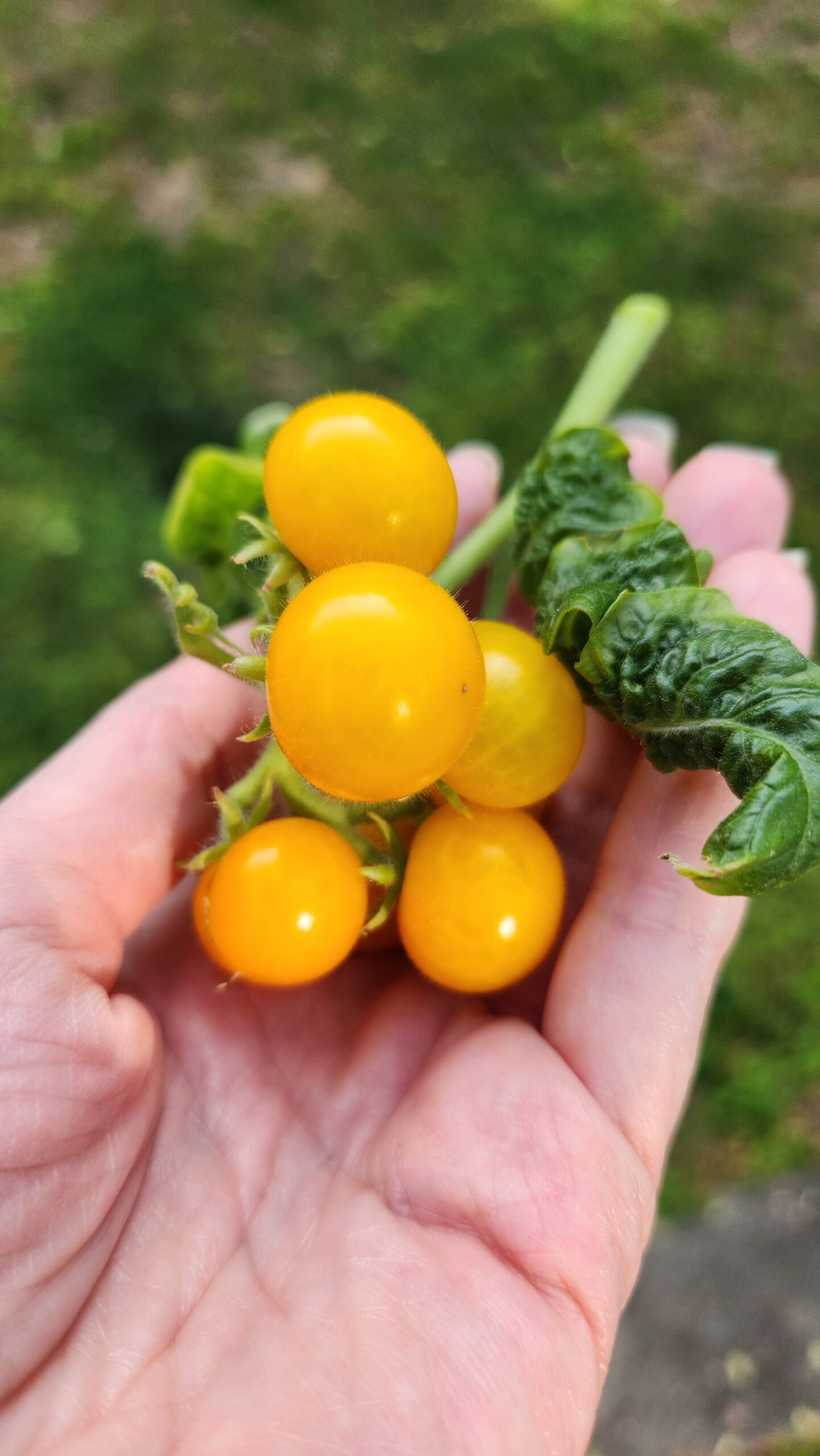
Orange Hat micro dwarf tomatoes are one of the cutest and easiest tomato varieties you can grow, especially if you have limited space. These tiny tomato plants stay compact while still producing plenty of flavorful cherry-sized tomatoes. Whether you are growing on a sunny windowsill, apartment balcony, patio, or small raised bed, Orange Hat tomatoes are a fun and rewarding choice for beginner gardeners and experienced growers alike.
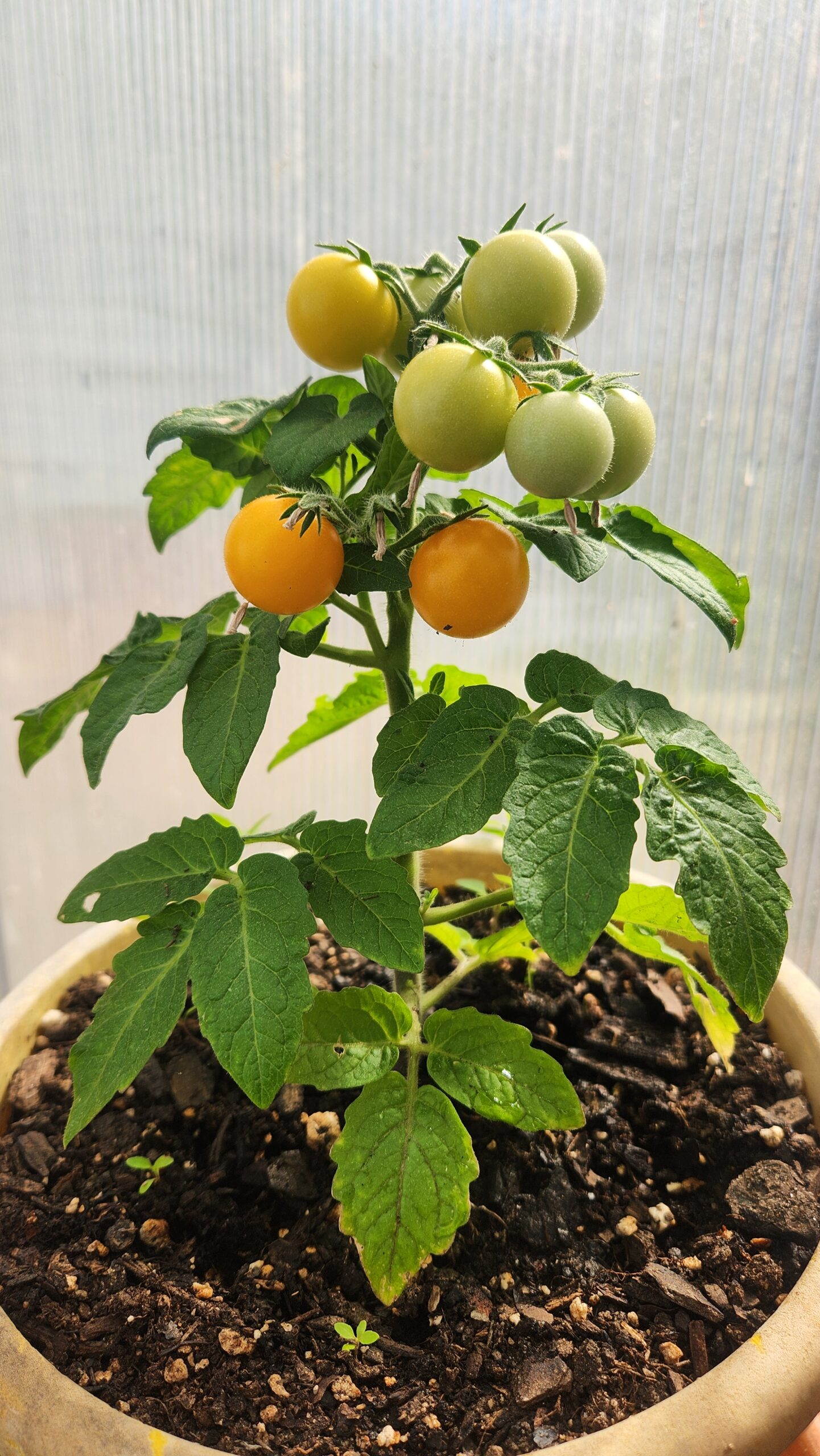
Unlike large tomato plants that can quickly take over a garden, micro dwarf tomatoes are bred to stay very small. Orange Hat tomato plants typically grow only about 6 to 12 inches tall, making them perfect for container gardening and indoor gardening. Their bright orange tomatoes add a cheerful pop of color and are delicious for snacking, salads, and fresh summer recipes.
One of the best things about growing Orange Hat micro dwarf tomatoes is how simple they are to care for. Since they stay compact, they usually do not require staking or heavy pruning like larger tomato varieties. This makes them ideal for people searching for easy vegetables to grow in pots or low-maintenance container garden ideas.
Getting Started:
To get started, choose a small pot or container that has good drainage holes. Even though these plants are tiny, they still need quality soil to thrive. A nutrient-rich potting mix designed for vegetables works best. Many gardeners also mix in compost or organic fertilizer to help encourage healthy growth and better tomato production.
Orange Hat tomatoes love sunlight. For the best harvest, place your plant where it can receive at least 6 to 8 hours of sunlight each day. A sunny patio, porch, deck, or bright south-facing window is ideal. If you are growing tomatoes indoors, you may want to use a grow light during cloudy weather or winter months to help the plant stay productive.
When watering micro dwarf tomatoes, consistency is important. The soil should stay slightly moist but never soggy. Overwatering can lead to root problems, while underwatering may cause the tomatoes to split or the plant to wilt. Container tomatoes often dry out faster than garden plants, especially during hot summer weather, so check the soil regularly.
Because Orange Hat tomatoes grow quickly, many gardeners start seeds indoors several weeks before spring. Orange Hat Micro Dwarf Tomato Seeds germinate best in warm temperatures, usually around 70 to 80 degrees Fahrenheit. Seedlings often sprout within a week or two and grow surprisingly fast. This makes them a great choice for anyone wanting to learn how to grow tomatoes from seed.
Another reason Orange Hat micro dwarf tomatoes are becoming more popular is their suitability for urban gardening and small-space gardening. Even if you only have a tiny balcony or windowsill, you can still enjoy harvesting fresh homegrown tomatoes. Their small size also makes them excellent for kids’ gardening projects and beginner gardeners.
Fertilizing your tomato plant every couple of weeks can help improve fruit production. A balanced tomato fertilizer or organic liquid fertilizer works well for container-grown tomatoes. Too much nitrogen can cause lots of leafy growth with fewer tomatoes, so using a fertilizer designed for tomatoes is usually the best option.
Harvesting & More:
As the fruits ripen, they turn a vibrant orange color and develop a sweet, slightly tangy flavor. Harvesting regularly encourages the plant to continue producing more tomatoes throughout the growing season. These tiny tomatoes are perfect for fresh snacking right off the plant and are often a favorite among children because of their sweet taste and miniature size.
If you are looking for the best dwarf tomato varieties for containers, Orange Hat is definitely worth trying. Its compact size, easy care, and heavy production make it one of the best patio tomato plants for small spaces. Whether you are growing a full container garden or simply want a cheerful edible plant on your windowsill, Orange Hat micro dwarf tomatoes are a fun and productive addition to any home garden.
If you have limited space for gardening, you may also want to check out our post How To Make The Most Of A Small Gardening Space.

Leave a Reply